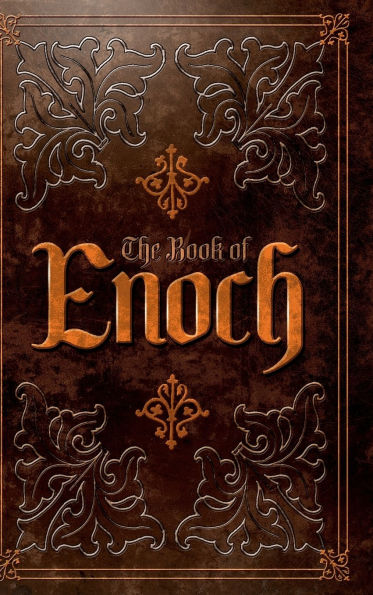
The Book of Enoch is an ancient Jewish apocalyptic religious text, attributed to Enoch, the great-grandfather of Noah. While not considered canonical by most Jewish or Christian denominations (with the exception of the Ethiopian Orthodox Tewahedo Church and Eritrean Orthodox Tewahedo Church), it was widely read during the Second Temple period and influenced early Jewish and Christian thought.
Here’s a brief overview of its key themes and sections:
- Fallen Angels and the Nephilim: A central part of the book describes the “Watchers,” a group of angels who descended to Earth, intermarried with human women, and produced giant offspring known as the Nephilim. These angels are said to have taught humanity forbidden knowledge, leading to widespread corruption and wickedness, which ultimately necessitated the Great Flood.
- Divine Judgment and Prophecy: The book is filled with visions and prophecies regarding divine judgment on the wicked, the fate of the righteous, and the coming of a messianic figure (often referred to as the “Son of Man” or “the Chosen One”) who will bring final judgment and establish an eternal kingdom of righteousness.
- Cosmology and Astronomy: Enoch is depicted as journeying through the heavens and receiving revelations about the workings of the cosmos, the movements of celestial bodies, and the divine order of the universe.
- Moral Exhortations: The text also includes messages encouraging righteousness and warning against sin, emphasizing the consequences of straying from God’s path.
- Structure: The Book of Enoch is actually a compilation of several distinct works, often divided into five main sections:
- The Book of the Watchers: Focuses on the fall of the angels and their offspring, the Nephilim.
- The Book of Parables/Similitudes: Contains three parables relating to apocalyptic judgments and the Son of Man.
- The Astronomical Book: Details Enoch’s visions of the heavenly bodies and their functions, often advocating for a solar calendar.
- The Book of Dream Visions (or Animal Apocalypse): Recounts historical prophecies from creation to the final judgment, often using animal allegories.
- The Epistle of Enoch: A series of exhortations and revelations about the future.
While its authorship is debated and it’s considered pseudepigraphal (attributed to an author who didn’t write it), The Book of Enoch provides valuable insight into the religious and cultural landscape of the Second Temple period and its ideas have resonated in various religious traditions.
 Classic Literature Reviews
Leave a comment